Blog · 2 November 2026
Field notes: the health post that wasn't where we left it
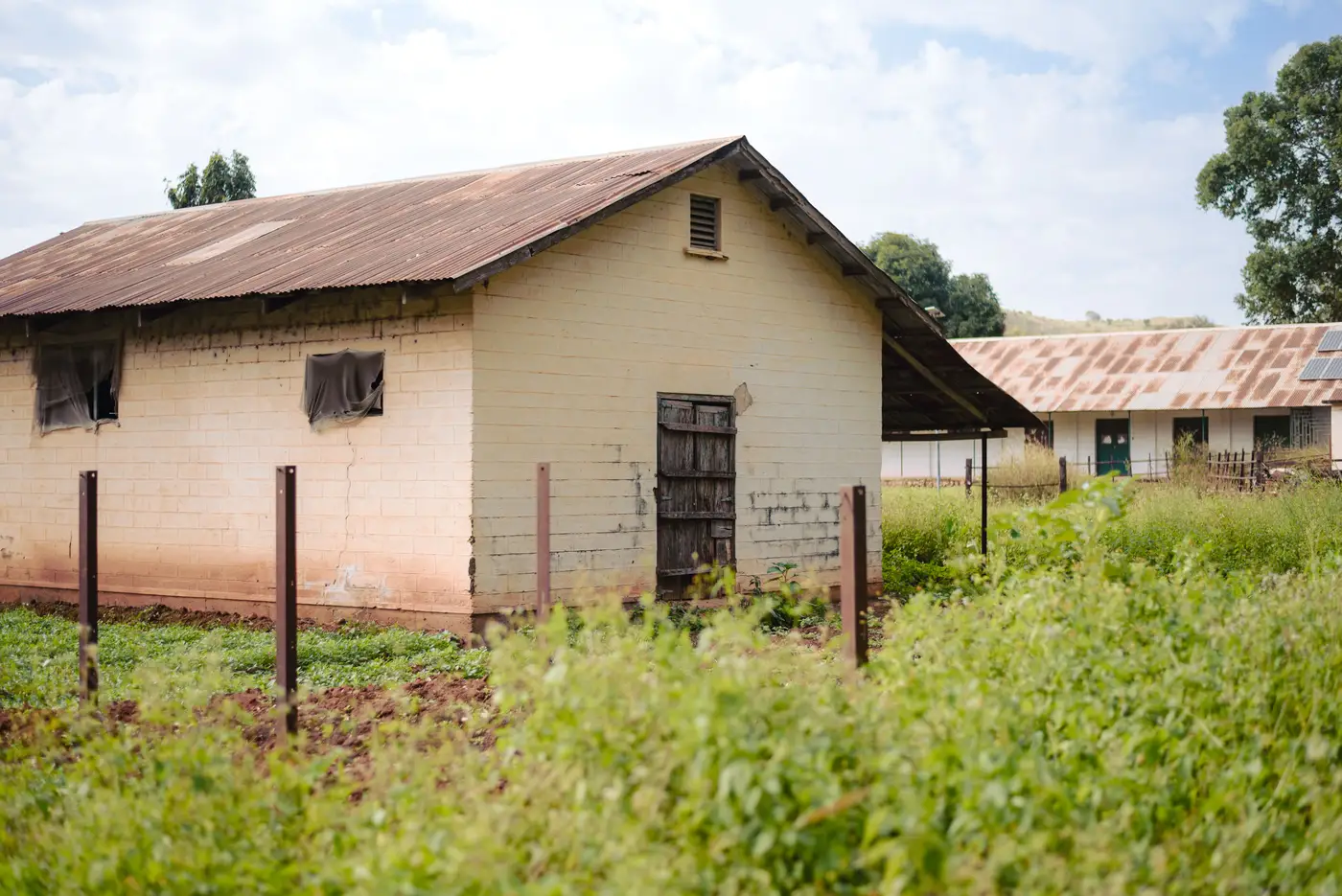
We'd been to the site twice before anyone thought to mention it had moved.
The first visit was a routine check against the district's facility list, the kind of list every WASH officer inherits from someone else's survey, three or four years old, with a GPS point and a name typed in all caps. HEALTH POST - KIBUYE B. We drove the track, found the compound, and found it half-collapsed. Roof gone on one side, the latrine block stripped of its door, a borehole apron with grass growing through the cracks. We noted it as non-functional, flagged the borehole for a mechanic's assessment, and moved on to the next point on the sheet.
Second visit, six weeks later, same result. Same ruin, same grass, same dead apron. We stood there a bit longer this time, long enough for a woman walking past with a jerry can to ask what we were looking for. When we said the health post, she laughed, not unkindly, and pointed over the ridge. It's up by the school now, she said. Has been since the roof came off in the big rains, two seasons back.
Two seasons back. Two visits in, and the facility we'd been assessing didn't exist anymore, not in any form a programme officer could plan around. The new site, when we finally found it, had a working apron, a VIP latrine in decent shape, and a tank stand someone had clearly built within the last year. None of it was on any register we'd seen.
This is the part of under-mapped district work that doesn't show up in a proposal narrative: how much of your facility list is a photograph of where things used to be. Health posts move because a roof fails, because a ward councillor negotiates a better plot, because the old site floods every rainy season and everyone got tired of rebuilding on the same spot. None of that gets reported upward in any consistent way. It gets reported sideways, to the woman with the jerry can, to the community health worker, to whoever happens to be standing there when a field team shows up asking the wrong question at the right place.
Lists go stale the moment they're printed. What helps is something to check them against before the next drive out: a yearly look at the ground itself, so a collapsed roof or a new structure a ridge away shows up as a flag before it shows up as a wasted trip. That's the gap we built Sanitation Mapping to sit in, and it's worth saying plainly on a site that's for exactly this: a single annual imagery pass over your district, turned into dated points for the boreholes, tank stands, and latrine blocks it can actually see, so a structure that's gone dark or a new one that's gone up doesn't have to wait for someone to mention it.
It wouldn't have told us the health post moved because of rain damage. It would have told us, before we ever drove out, that the roofline at that GPS point had gone from intact to broken sometime in the last year, and that a new cluster of structures had appeared a few hundred meters off. That's enough to change which of two visits becomes the useful one.
We eventually updated the register. We also started keeping our own running note, separate from the official list, of every facility we'd confirmed in person in the last twelve months and every one we hadn't. It's a small thing. It would have saved us a drive.
If your own facility list has a few of these ghosts on it, our landing page walks through how the yearly pass works and what you get back from it.